The popularity of sintered stone countertops has been on the rise, driven by a combination of aesthetic appeal, functional benefits, and advancements in manufacturing technology. Here’s a detailed analysis of the factors contributing to their increasing popularity:
Aesthetic Appeal
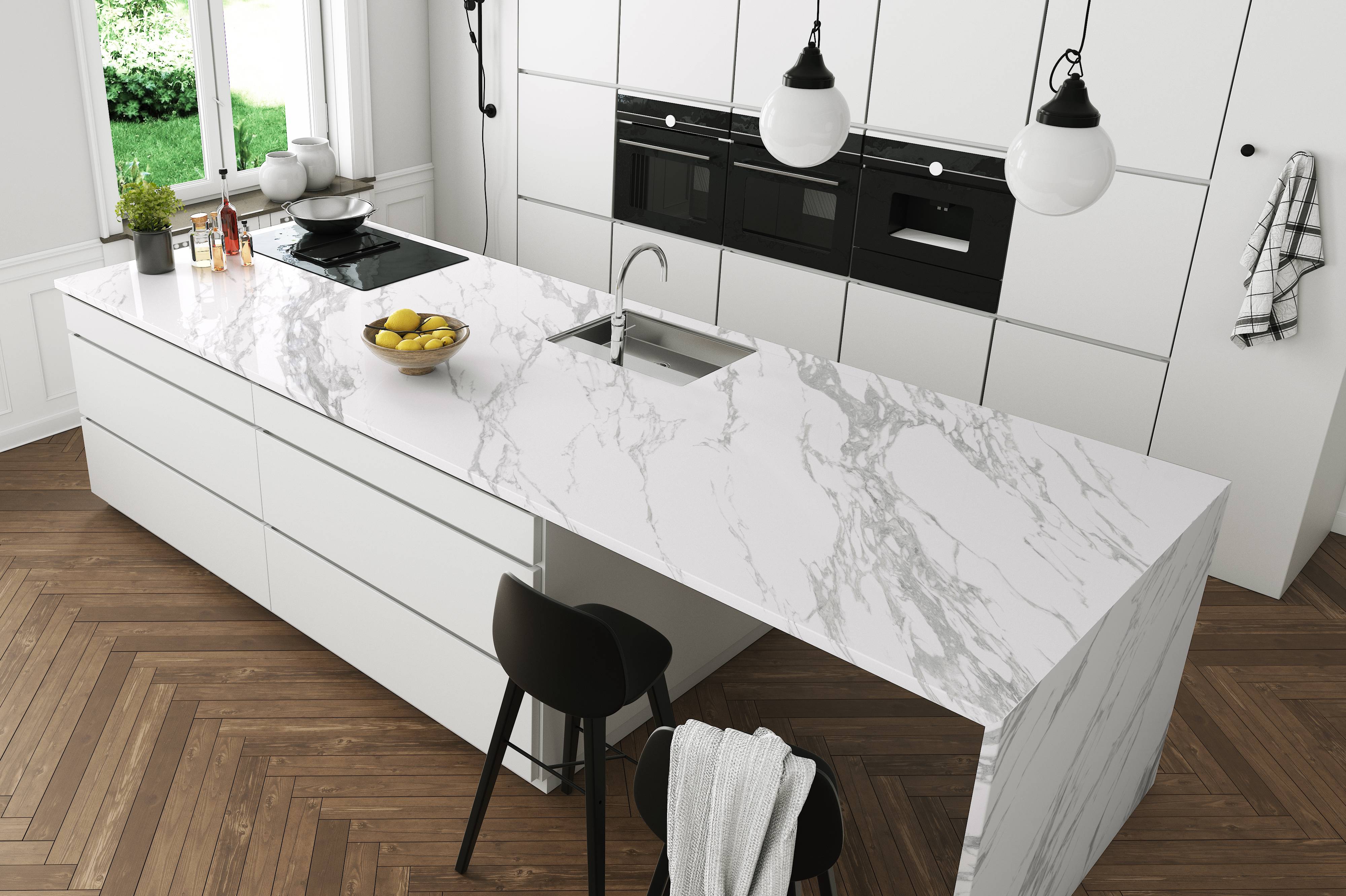
- Variety of Designs: Sintered stone countertops come in a wide array of colors, patterns, and finishes. This variety allows homeowners and designers to choose from options that mimic natural stone (such as marble, granite, or quartz) or opt for contemporary and unique designs.
- Consistency in Appearance: Unlike natural stone, which can have variations and imperfections, sintered stone offers a consistent look across large slabs. This consistency is appealing for those seeking a uniform and sleek appearance.
Functional Benefits
- Durability: Sintered stone is extremely durable and resistant to scratches, chips, and impacts. This durability makes it an ideal material for kitchen countertops, which are subject to heavy use.
- Heat Resistance: The material’s ability to withstand high temperatures without damage means hot pots and pans can be placed directly on the surface without fear of burns or scorches.
- Stain Resistance: Sintered stone’s non-porous surface resists stains from food, beverages, and chemicals, making it easier to maintain than natural stone, which can absorb liquids and stain over time.
- Hygienic Properties: The non-porous nature of sintered stone also means it does not harbor bacteria, mold, or mildew, making it a hygienic choice for kitchens and bathrooms.
Maintenance and Longevity
- Low Maintenance: Sintered stone requires minimal maintenance compared to natural stone. There is no need for sealing or special cleaning agents; regular cleaning with mild soap and water is sufficient.
- Longevity: The durability and resistance to wear and tear ensure that sintered stone countertops maintain their appearance and functionality over many years, providing long-term value to homeowners.
Environmental Considerations
- Sustainable Production: The manufacturing process of sintered stone often incorporates recycled materials and is designed to be environmentally friendly. This aligns with the growing consumer preference for sustainable and eco-friendly products.
- Recyclability: At the end of its lifecycle, sintered stone can be recycled, reducing its environmental impact.
Market Trends and Consumer Preferences
- Modern Design Trends: The sleek, modern look of sintered stone fits well with contemporary design trends that favor clean lines and minimalistic aesthetics.
- Technological Advancements: Advances in technology have improved the quality and availability of sintered stone, making it more accessible to a broader market.
- Increased Awareness: As more consumers become aware of the benefits of sintered stone through home improvement shows, design magazines, and social media, demand continues to grow.
Cost Considerations
- Competitive Pricing: While sintered stone can be more expensive than some natural stones or laminates, its long-term benefits and low maintenance costs make it a cost-effective choice over time.
- Value for Money: The combination of durability, aesthetic appeal, and low maintenance enhances the perceived value, making it an attractive option for homeowners willing to invest in quality.
Versatility in Applications
- Indoor and Outdoor Use: Sintered stone’s UV resistance and durability make it suitable for both indoor and outdoor applications, including outdoor kitchens and barbecues.
- Customizability: The material can be customized in terms of size, shape, and edge profiles, allowing for bespoke countertop designs that meet specific needs and preferences.
Conclusion
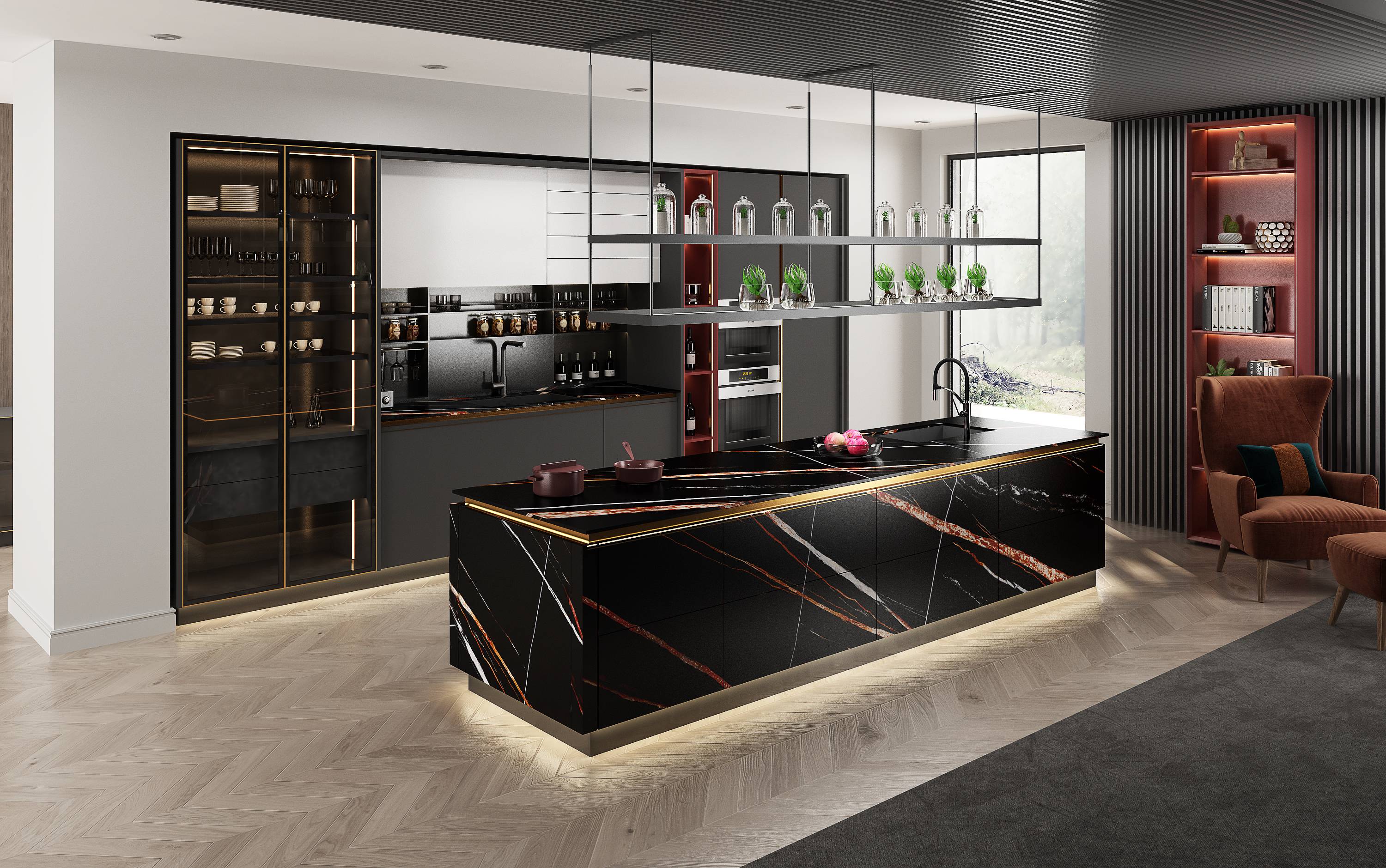
The growing popularity of sintered stone countertops can be attributed to their blend of aesthetic appeal, exceptional durability, low maintenance requirements, and environmental benefits. As consumers continue to prioritize both functionality and style in their home design choices, sintered stone stands out as a material that meets these demands effectively. Advances in manufacturing and increased market awareness are likely to sustain and even accelerate this trend, making sintered stone a staple in modern kitchens and bathrooms.