Sintered stone, a highly durable and versatile man-made material, has seen increasing popularity in the construction and interior design sectors. Made from natural stone powders and subjected to high pressure and temperatures, sintered stone combines aesthetic appeal with robust performance. In 2024, this material continues to trend, driven by advancements in technology and evolving design preferences. Here's a detailed look at the trends and market analysis for sintered stone in 2024.
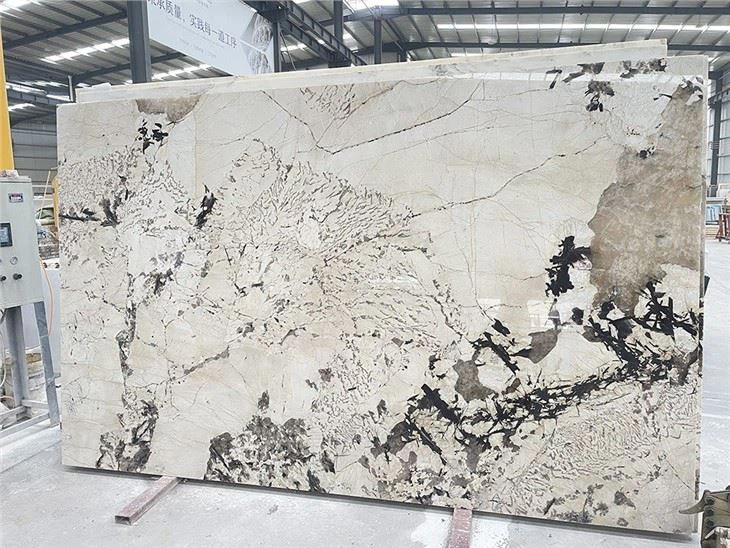 Material Characteristics and Technological Innovations1. Durability and Practicality: Sintered stone boasts high hardness, resistance to scratches, heat, and stains, making it ideal for high-traffic and high-use areas like kitchen countertops, flooring, and wall cladding. Its non-porous nature ensures that it remains hygienic and easy to clean, contributing to its appeal in residential and commercial applications.2. Technological Advancements:
 Advances in manufacturing techniques have significantly improved the quality and appearance of sintered stone. Enhanced digital printing technologies now allow for more intricate and natural-looking designs, closely mimicking high-end materials such as marble and granite. These innovations have expanded the aesthetic possibilities, making sintered stone a preferred choice for designers and architects.
Design Trends1. Large Format Slabs: Large format slabs are increasingly popular in 2024. They offer a seamless, elegant look with fewer joints and grout lines, enhancing both aesthetics and hygiene. These slabs are particularly favored for expansive surfaces like kitchen islands, bathroom walls, and flooring.
2. Natural Textures and Colors: The trend towards biophilic design has made natural textures and colors highly desirable. Sintered stone products now feature a wide range of patterns that emulate the beauty of natural stones, wood, and even metal. Earthy tones, subtle veining, and organic patterns are in vogue, aligning with the broader trend of bringing nature indoors.
3. Customization and Personalization: Personalization is a significant trend, with consumers seeking unique, tailored solutions for their spaces. Sintered stone manufacturers are offering more customization options, allowing clients to choose specific colors, patterns, and finishes. This trend is particularly strong in high-end residential and bespoke commercial projects.
Market Demand and Application Areas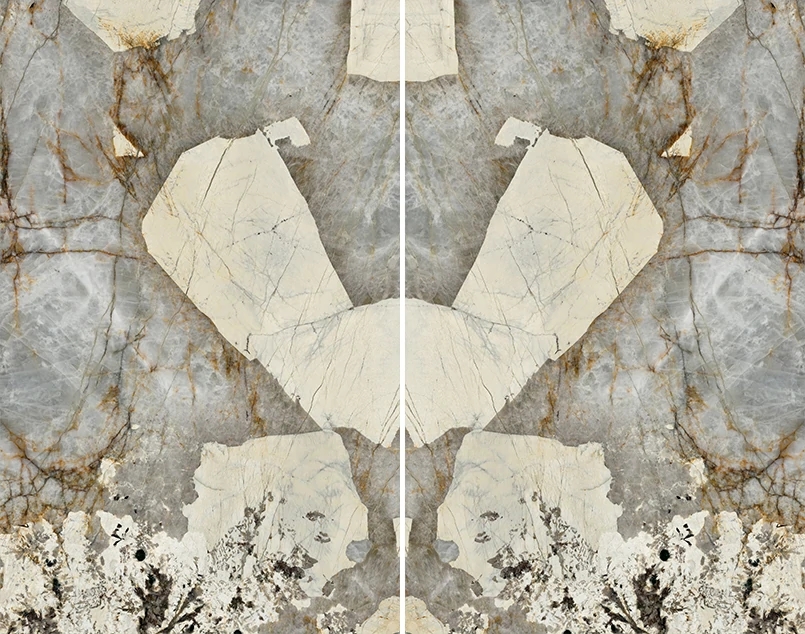 1. Residential and Commercial Buildings:
 Sintered stone is widely used in both residential and commercial buildings. In homes, it is favored for kitchen countertops, bathroom vanities, and flooring due to its durability and aesthetic flexibility. In commercial spaces, it’s used for reception desks, wall cladding, and flooring, where its robustness and ease of maintenance are key advantages.
2. Furniture Manufacturing: The use of sintered stone in furniture manufacturing is on the rise. It is increasingly found in tabletops, cabinetry, and shelving. Its ability to combine aesthetics with durability makes it an attractive option for contemporary furniture designs.
3. Outdoor Applications: Due to its resistance to UV radiation and extreme weather conditions, sintered stone is suitable for outdoor applications such as facades, patios, and garden furniture. Its stability and minimal maintenance requirements make it ideal for these uses.
Market Outlook and Challenges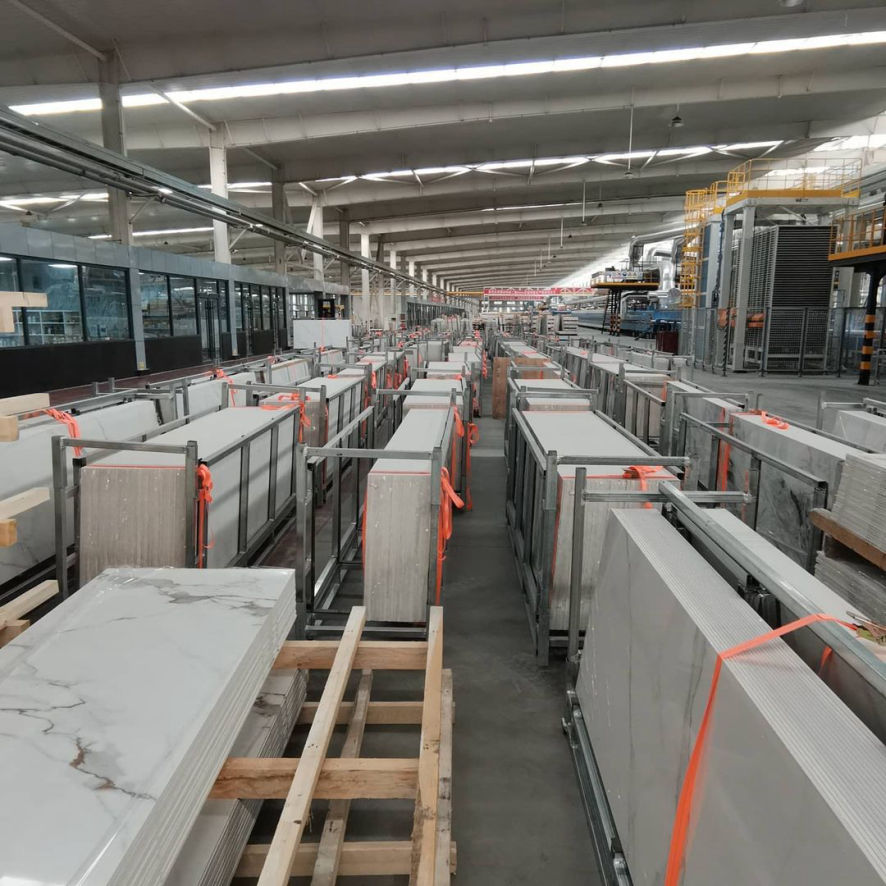 1. Growth Prospects:
 The market for sintered stone is expected to grow steadily due to increasing demand for sustainable and durable building materials. Its versatility and range of applications make it a strong contender in the construction and interior design markets. As consumer awareness of environmental sustainability grows, the demand for eco-friendly materials like sintered stone is likely to rise.
2. Challenges and Strategies: Despite its advantages, the sintered stone industry faces challenges such as high production costs and intense market competition. To overcome these challenges, companies need to focus on technological innovation to reduce costs and improve product quality. Additionally, strong branding and effective marketing strategies are crucial to differentiate products and capture market share.
Conclusion
In 2024, sintered stone continues to be a leading material in construction and interior design, driven by its superior durability, aesthetic versatility, and eco-friendly properties. Technological advancements and design innovations are expanding its applications and appeal. By embracing these trends and addressing market challenges, manufacturers and designers can capitalize on the growing popularity of sintered stone, ensuring its place as a staple material in modern architecture and interior design.